xrp stock
What Is XRP Stock? Clearing the Biggest Confusion First
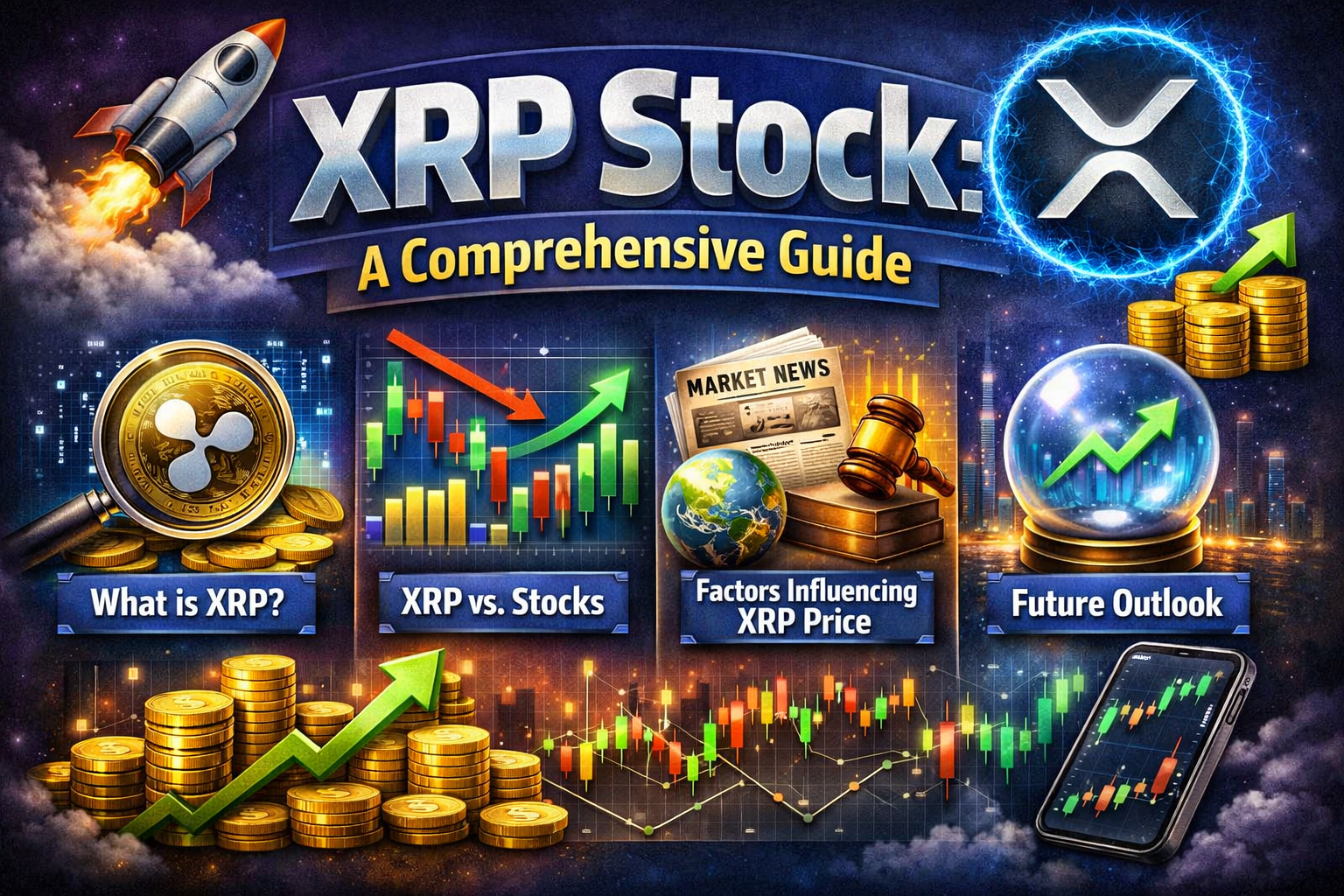
Let’s get something straight right away—“xrp stock” is actually a misleading term. XRP is not a stock in the traditional sense. It’s a cryptocurrency created by Ripple Labs. Unlike stocks, which represent ownership in a company, XRP is a digital asset designed to facilitate fast and low-cost international payments.
Now, why do people search for “xrp stock”? Simple. Many investors compare XRP to stocks because they treat it as an investment vehicle. But technically, when you buy XRP, you’re not buying shares in Ripple—you’re buying a token used within the Ripple network.
This distinction matters a lot. Stocks give you ownership, voting rights, and sometimes dividends. XRP gives you exposure to a blockchain ecosystem and its adoption potential xrp stock. So if you’re approaching XRP like a stock, you need to adjust your expectations and strategy.
Still, the comparison isn’t completely useless. XRP behaves like a tradable asset, just like stocks. It has price charts, market cycles, volatility, and investor sentiment. That’s why many beginners lump it into the “stock” category—it feels familiar.
Understanding XRP and Its Role in the Financial System
XRP was designed to solve a real-world problem: slow and expensive international money transfers. Traditional banking systems like SWIFT can take days and charge high fees. XRP aims to fix that by acting as a bridge currency.
Here’s how it works. Instead of converting currencies xrp stock directly (like USD to EUR), banks can convert USD → XRP → EUR in seconds. That’s where XRP shines—speed and efficiency.
Unlike many cryptocurrencies, XRP doesn’t rely on mining. It uses a consensus protocol that makes transactions faster and more energy-efficient. This gives it a practical edge, especially for institutions.
Financial institutions are the key audience here. Ripple has partnered with banks and payment providers worldwide, pushing XRP toward real-world adoption. That’s a big reason why investors take it seriously.
However, adoption is still evolving. XRP hasn’t completely xrp stock replaced traditional systems, but it has carved out a niche. The more adoption it gains, the stronger its investment case becomes.
XRP vs Traditional Stocks: Key Differences Explained
If you’re thinking about “xrp stock,” you need to understand how it differs from stocks. These differences will shape your investment strategy.
First, ownership. When you buy a stock, you own a part of a company. When you buy XRP, you own a digital asset with no equity rights. That means no dividends or shareholder benefits.
Second, regulation. Stocks are heavily regulated by authorities like the U.S. Securities and Exchange Commission. XRP operates in a more complex regulatory environment, especially due to its legal battles.
Third, volatility. Stocks can be volatile, but crypto takes it to another level. XRP prices can swing dramatically in short periods, which can be both an opportunity and a risk.
Finally, market hours. Stocks trade during specific hours xrp stock, while XRP trades 24/7. That means opportunities—and risks—never sleep.
Understanding these differences helps you avoid common mistakes. Treating XRP exactly like a stock can lead to poor decisions.
The History of XRP: From Launch to Global Recognition
XRP was launched in 2012, making it one of the oldest xrp stock cryptocurrencies still active today. It was created by Chris Larsen and Jed McCaleb, who aimed to improve global payments.
In its early days, XRP didn’t get as much attention as Bitcoin. But over time, it built a reputation for speed and efficiency. Financial institutions started taking notice, which boosted its credibility.
One major turning point came when Ripple began forming partnerships with banks. This positioned XRP as a serious contender in the fintech space.
However, the journey hasn’t been smooth. Regulatory challenges, xrp stock especially in the United States, have impacted XRP’s price and adoption.
Despite setbacks, XRP has remained one of the top cryptocurrencies by market capitalization. Its longevity alone speaks volumes about its resilience.
The SEC Lawsuit: A Defining Moment for XRP
One of the biggest factors affecting XRP is its legal battle with the U.S. Securities and Exchange Commission. The SEC claimed that XRP was an unregistered security, which shook the xrp stock market.
This lawsuit caused XRP’s price to drop and led to delistings on several exchanges. Investors were suddenly uncertain about its future.
But here’s where things get interesting. Ripple has fought back aggressively, and parts of the case have gone in its favor. This has restored some confidence in XRP.
The outcome of this case could set a precedent for the entire crypto industry. If XRP is classified as a security, it could change how cryptocurrencies are regulated.
For investors, this means one thing: XRP carries regulatory risk. xrp stock But with risk often comes opportunity.
How XRP Price Works: Supply, Demand, and Market Sentiment
Like stocks, XRP’s price is driven by supply and demand. But the xrp stock factors influencing that demand are unique.
Adoption is a big one. The more financial institutions use XRP, the higher the demand. Partnerships and real-world use cases can push prices upward.
Market sentiment also plays a huge role. News, rumors, and social media can cause sudden price movements. Crypto markets are heavily influenced by hype and fear.
Another factor is overall crypto market trends. When Bitcoin rises, XRP often follows. When the market crashes, XRP usually drops too.
Finally, liquidity matters. XRP is widely traded, which makes it easier xrp stock to buy and sell without major price disruptions.
Understanding these factors helps you make smarter investment decisions.
Is XRP a Good Investment? Expert Perspective
Now to the big question: is XRP worth investing in?
The honest answer—it depends on your goals and risk tolerance. XRP has strong fundamentals, especially in the payments sector. Its real-world use case gives it an edge over many cryptocurrencies.
However, it’s not without risks. Regulatory uncertainty is a major concern. If things don’t go in Ripple’s favor, XRP could face setbacks.
On the flip side, a positive outcome could trigger significant growth. That’s why many investors see XRP as a high-risk, high-reward asset.
Diversification is key here. Don’t put all your money into XRP. Treat it as part of a broader investment strategy.
In short, XRP can be a good investment—but only if you understand the risks involved.
How to Buy XRP (Even If You Think It’s a Stock)
If you came here searching for “xrp stock,” you might be wondering how to buy it.
You don’t buy XRP through traditional stock exchanges like NYSE or NASDAQ. Instead, you use cryptocurrency exchanges.
Popular platforms include Binance, Coinbase, and Kraken. These platforms allow you to trade XRP using fiat currency or other cryptocurrencies.
The process is straightforward:
- Create an account
- Verify your identity
- Deposit funds
- Buy XRP
After buying, you can store XRP in a digital wallet. Some investors keep it on exchanges, while others prefer cold wallets for security.
Just remember—crypto investing requires a different mindset than stock investing.
XRP Market Trends and Future Predictions
Predicting XRP’s future isn’t easy, but we can analyze trends.
First, institutional adoption is growing. If more banks adopt Ripple’s technology, XRP could see increased demand.
Second, regulatory clarity is improving. As governments define crypto rules, uncertainty may decrease.
Third, competition is rising. Other cryptocurrencies and fintech solutions are entering the same space.
Experts have mixed opinions. Some believe XRP could reach new highs, while others remain cautious due to regulatory risks.
The key takeaway? XRP’s future is promising but uncertain. Staying informed is essential.
Risks of Investing in XRP
Let’s not sugarcoat it—XRP has risks.
- Regulatory risk: Ongoing legal issues
- Market volatility: Sudden price swings
- Competition: Other blockchain solutions
- Centralization concerns: Ripple holds a large portion of XRP
These risks don’t mean you should avoid XRP. They just mean you should approach it carefully.
Smart investors manage risk instead of ignoring it.
XRP vs Other Cryptocurrencies
How does XRP compare to others like Bitcoin or Ethereum?
Bitcoin is a store of value. Ethereum powers smart contracts. XRP focuses on payments.
This specialization gives XRP a unique position. It’s not trying to do everything—it’s trying to do one thing very well.
However, this also limits its scope. If the payments niche becomes crowded, XRP could face challenges.
Still, its speed and low fees make it competitive.
Long-Term Outlook: Can XRP Replace Traditional Systems?
Can XRP replace traditional banking systems? Probably not entirely—but it doesn’t need to.
Even partial adoption could drive massive growth. xrp stock If XRP becomes a standard for cross-border payments, its value could increase significantly.
But traditional systems are deeply entrenched. Change takes time.
The most realistic scenario? XRP coexists with traditional systems while improving efficiency.
Final Thoughts on XRP Stock
So, what’s the bottom line on “xrp stock”?
It’s not a stock—but it’s still a powerful investment asset. XRP sits at the intersection of finance and technology, offering real-world utility.
If you approach it with the right mindset—understanding its risks, differences, and potential—it can be a valuable addition to your portfolio.
you may have missed
About the Author