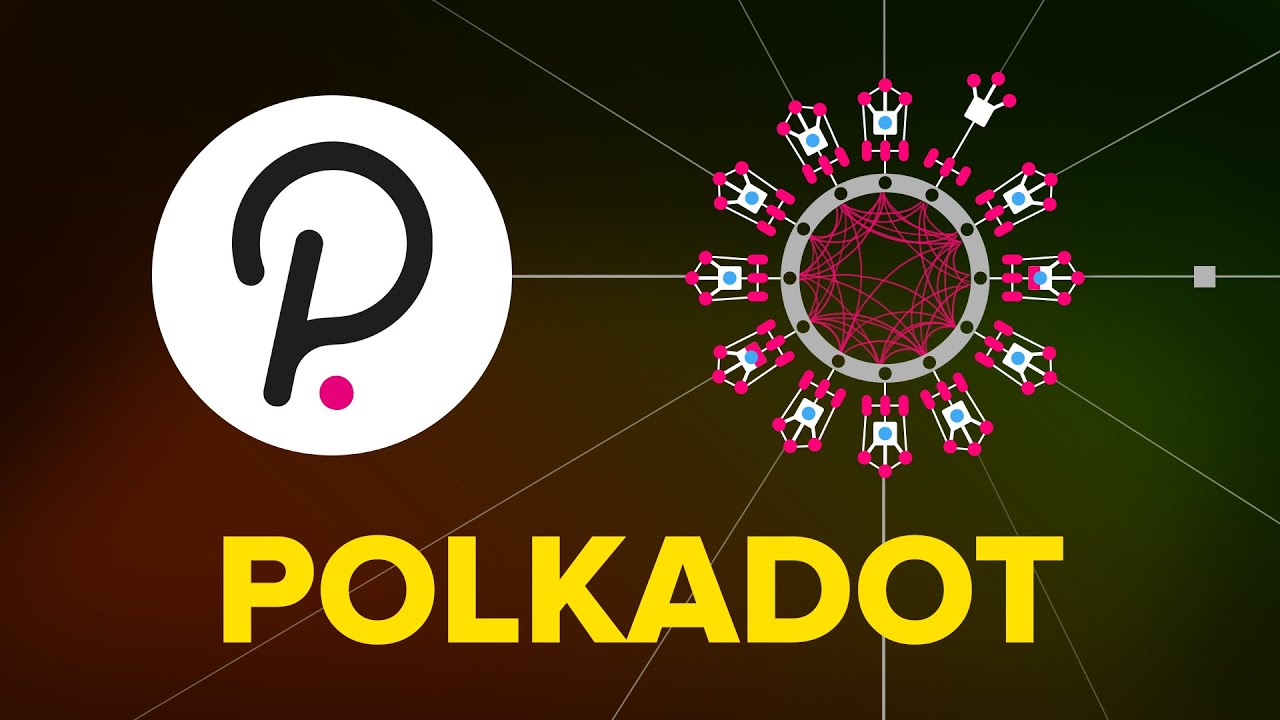
Polkadot
Introduction to Polkadot
If you’ve been exploring the crypto space for a while, you’ve probably come across the name Polkadot. It’s one of those projects that doesn’t just try to improve blockchain—it tries to rethink how blockchains connect and interact altogether. That alone makes it one of the most ambitious platforms in the industry.
Polkadot was created to solve a fundamental problem: blockchains don’t talk to each other very well. Early networks like Bitcoin and Ethereum operate largely in isolation. While they’re powerful in their own right, they lack seamless interoperability. Polkadot steps in as a solution, aiming to connect multiple blockchains into a unified ecosystem.
At its core, Polkadot is not just a single blockchain—it’s a network of blockchains. This concept alone changes how developers, businesses, and investors think about decentralization. Instead of competing chains, Polkadot envisions a collaborative ecosystem.
In this deep-dive article, we’ll explore Polkadot from every angle—its architecture, technology, ecosystem, challenges, and future potential. The goal is simple: give you an expert-level understanding in a casual, easy-to-read format without missing any important detail.
The Vision Behind Polkadot
Polkadot didn’t just appear out of nowhere. It was designed with a clear and ambitious vision: to create a decentralized web where data and assets can move freely across blockchains.
The project was founded by Gavin Wood, one of the original architects of Ethereum. His experience working on Ethereum exposed him to its limitations, especially around scalability and interoperability. Polkadot is essentially his answer to those challenges.
The idea is simple but powerful. Instead of having separate blockchains competing for dominance, Polkadot allows them to cooperate. This creates an environment where innovation can thrive without fragmentation.
Another key part of the vision is decentralization. Polkadot aims to give control back to users by enabling decentralized governance. Token holders can vote on upgrades and changes, making the network more democratic compared to traditional systems.
How Polkadot Works: The Core Architecture
Understanding Polkadot requires getting familiar with its architecture. Unlike traditional blockchains, Polkadot uses a multi-layered structure that allows different chains to work together.
At the center of this system is the Relay Chain. This is the main chain responsible for security and coordination. It doesn’t handle complex smart contracts itself; instead, it focuses on maintaining the network.
Then come parachains. These are independent blockchains that connect to the Relay Chain. Each parachain can have its own features, tokens, and use cases. This flexibility is what makes Polkadot so powerful.
There are also bridges, which connect Polkadot to external networks like Ethereum and Bitcoin. These bridges enable cross-chain communication, allowing assets and data to move seamlessly between different ecosystems.
This architecture creates a scalable and flexible system where multiple blockchains can operate simultaneously without congestion.
The Role of DOT Token
No discussion about Polkadot is complete without talking about its native token, DOT. It plays a central role in the network’s functionality.
First, DOT is used for governance. Token holders can vote on proposals, influencing the direction of the network. This makes Polkadot a community-driven platform.
Second, DOT is used for staking. Validators stake DOT to secure the network and validate transactions. In return, they earn rewards. This proof-of-stake mechanism is energy-efficient compared to traditional mining.
Third, DOT is used for bonding. Projects that want to launch a parachain must lock up DOT tokens. This ensures commitment and helps maintain network integrity.
The multifunctional nature of DOT makes it more than just a cryptocurrency—it’s a key component of the entire ecosystem.
Polkadot vs Ethereum: A Real Comparison
Comparing Polkadot with Ethereum is inevitable. Both platforms aim to support decentralized applications, but they take very different approaches.
Ethereum focuses on a single-chain model with smart contracts running on one network. While it has a massive ecosystem, it can face congestion and high fees during peak usage.
Polkadot, on the other hand, uses multiple chains. This allows it to process transactions in parallel, significantly improving scalability. Each parachain can handle its own workload, reducing bottlenecks.
Another difference is governance. Ethereum’s upgrades are often slower and more complex, while Polkadot’s on-chain governance allows for quicker decision-making.
That said, Ethereum still has the advantage of being more established. Polkadot is catching up, but it needs time to reach the same level of adoption.
Polkadot Ecosystem Growth
The Polkadot ecosystem has been expanding rapidly, and this growth is one of the most exciting aspects of the project.
Developers are building a wide range of applications, from DeFi platforms to NFT marketplaces. The flexibility of parachains allows for innovation across multiple sectors.
Projects like Acala and Moonbeam have gained attention for bringing DeFi and Ethereum compatibility to Polkadot. These platforms help attract developers who are already familiar with Ethereum.
The ecosystem also includes tools for identity, gaming, and data management. This diversity shows that Polkadot is not limited to financial applications—it’s a general-purpose blockchain platform.
As more parachains go live, the ecosystem is expected to grow even further, creating new opportunities for users and investors
Security and Consensus Mechanism
Security is a critical aspect of any blockchain, and Polkadot takes it seriously. It uses a unique consensus mechanism called Nominated Proof-of-Stake (NPoS).
In this system, validators are responsible for verifying transactions and maintaining the network. Nominators support validators by staking their DOT tokens.
This setup creates a strong incentive for honest behavior. Validators who act maliciously can lose their staked tokens, discouraging bad actors.
Another advantage is shared security. All parachains benefit from the security provided by the Relay Chain. This means smaller projects don’t have to build their own security systems from scratch.
The result is a robust and secure network that can support a wide range of applications.
Governance in Polkadot
Governance is one of Polkadot’s standout features. Unlike many blockchains, it allows token holders to participate directly in decision-making.
Proposals can be submitted by anyone, and DOT holders can vote on them. This includes decisions about upgrades, funding, and network changes.
There’s also a council and technical committee that help guide the process. These groups ensure that proposals are well-reviewed before being implemented.
One of the biggest advantages of this system is adaptability. Polkadot can evolve quickly without requiring hard forks, which can be disruptive.
This makes it one of the most flexible and future-proof blockchain platforms available today.
Real-World Use Cases
Polkadot is not just a theoretical concept—it has real-world applications that are already making an impact.
In the financial sector, it supports decentralized finance platforms that offer lending, borrowing, and trading services. These platforms aim to provide alternatives to traditional banking.
In supply chain management, Polkadot can track goods and ensure transparency. This is particularly useful for industries like food and pharmaceuticals.
Another important use case is digital identity. Polkadot-based solutions can provide secure and decentralized identity verification, which is crucial in today’s digital world.
These use cases demonstrate the versatility of Polkadot and its potential to transform multiple industries.
Challenges Facing Polkadot
Despite its strengths, Polkadot faces several challenges that cannot be ignored.
One major issue is competition. There are many blockchain platforms trying to solve similar problems, each with its own approach.
Another challenge is adoption. While the technology is impressive, it needs widespread use to succeed. Attracting developers and users is crucial.
There’s also the complexity factor. Polkadot’s architecture can be difficult to understand, which may discourage newcomers.
Finally, regulatory uncertainty remains a concern. Like all cryptocurrencies, Polkadot must navigate a constantly changing legal landscape.
The Future of Polkadot
Looking ahead, Polkadot has a promising future if it can execute its vision successfully.
Upcoming developments include more parachain launches, improved scalability, and enhanced interoperability. These upgrades could strengthen its position in the market.
There’s also potential for increased adoption as more developers build on the platform. Partnerships with businesses and governments could further boost its growth.
If Polkadot achieves its goals, it could become a key player in the decentralized web, connecting multiple blockchains into a single ecosystem.
Expert Insights on Polkadot
Experts have mixed but generally positive views on Polkadot. Many see it as one of the most innovative blockchain projects in recent years.
Supporters highlight its unique architecture and strong technical foundation. They believe it has the potential to solve major issues in the blockchain space.
Critics, however, point out the challenges of adoption and competition. They argue that execution will be the key factor in determining its success.
Overall, Polkadot is widely regarded as a project worth watching, with the potential to reshape the future of blockchain technology.
Conclusion: Why Polkadot Matters
Polkadot is more than just another cryptocurrency—it’s a vision for the future of blockchain. By enabling interoperability and scalability, it addresses some of the biggest challenges in the industry.
From its innovative architecture to its growing ecosystem, Polkadot offers a unique approach that sets it apart from competitors.
While it faces challenges, its strong foundation and ambitious goals make it a project with significant potential.
In the end, understanding Polkadot is not just about understanding a single platform—it’s about understanding where blockchain technology is headed next.
YOU MAY HAVE MISSED
About the Author