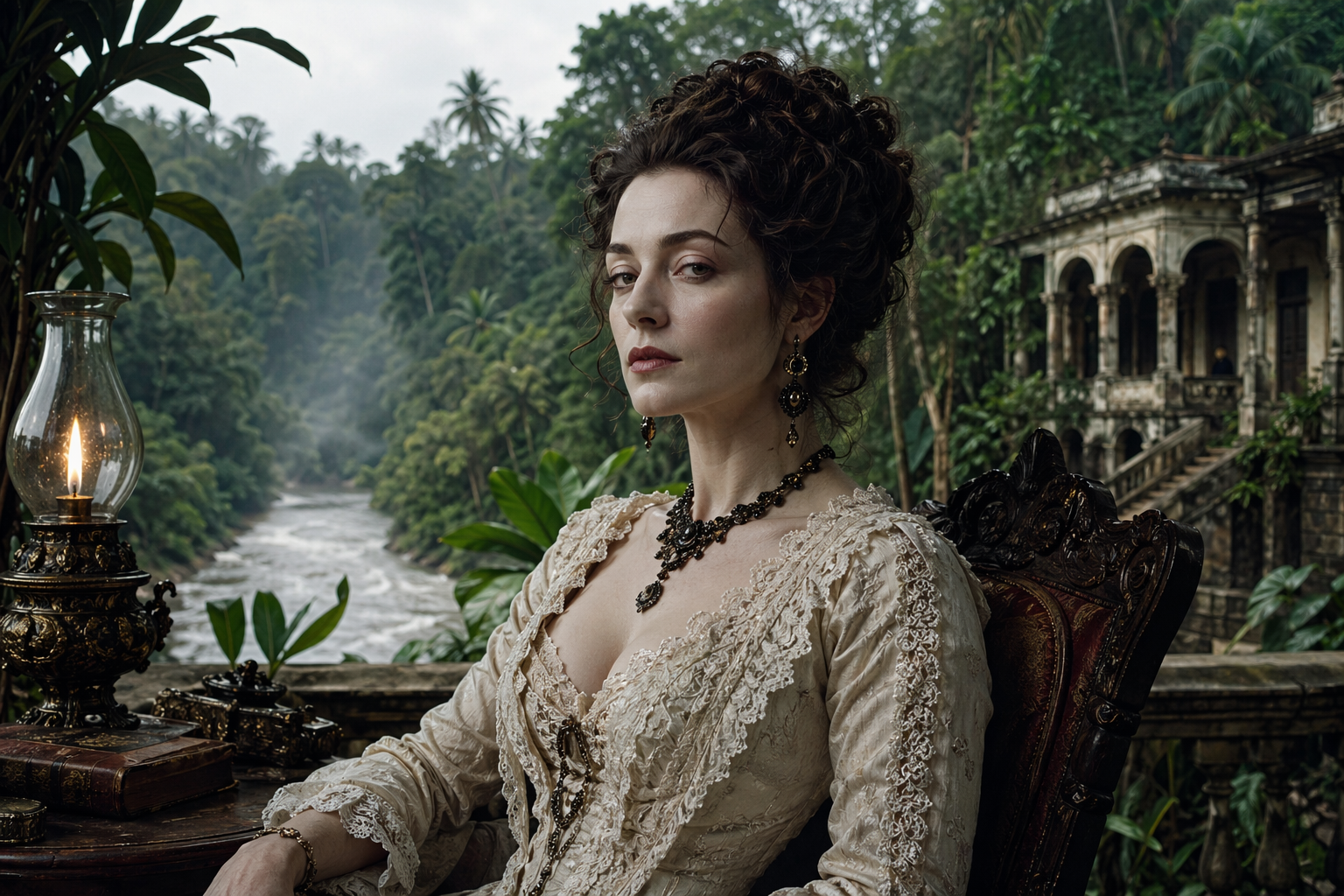
camille monfort
Introduction to Camille Monfort
When you first hear the name Camille Monfort, it sounds elegant, almost cinematic. And honestly, that’s fitting. The story tied to this name isn’t just a simple biography—it’s a strange mix of history, folklore, mystery, and cultural fascination. Over time, Camille Monfort has become one of those figures people can’t quite pin down. Was she real? Was she myth? Or is she something in between?
What makes Camille Monfort especially intriguing is how her story continues to circulate across the internet, blogs, and storytelling communities. People are drawn to her not just because of who she might have been, but because of the eerie, almost supernatural aura surrounding her name. It’s the kind of story that feels half-remembered, like something passed down in whispers.
In this article, we’re going to break everything down—from the origins of Camille Monfort to the theories, myths, and cultural impact. This isn’t just surface-level content. We’re going deep, connecting dots, and giving you a full, expert-level understanding in a way that still feels natural and engaging.
The Origins of Camille Monfort
The story of Camille Monfort is often traced back to Brazil, specifically the Amazon region during the 19th century. According to various accounts, she was a French woman who traveled to South America and became a notable figure in elite social circles.
Now, here’s where things get interesting. Camille wasn’t just known for being wealthy or well-connected. She reportedly had a reputation for being mysterious and somewhat unsettling. People described her as captivating, yet distant—as if she existed slightly outside the normal world.
Some versions of the story suggest she was associated with spiritual practices, possibly even occult rituals. Whether that’s fact or fiction is hard to say. But the idea stuck. And once a narrative like that takes hold, it tends to grow on its own.
What we can say with some confidence is that the lack of concrete historical documentation allowed imagination to fill the gaps. And that’s exactly what happened with Camille Monfort.
Camille Monfort and the Amazon Connection
One of the most consistent elements in the Camille Monfort story is her connection to the Amazon rainforest. She is often described as living in or near remote regions, far from European society.
This setting plays a huge role in shaping her legend. The Amazon has long been viewed as mysterious, even dangerous—a place where the known world fades into something unpredictable. Placing Camille in that environment immediately adds a layer of intrigue.
Some stories claim she hosted lavish gatherings in the middle of the jungle, inviting influential figures from nearby cities. Others suggest she preferred isolation, living in a grand but eerie estate surrounded by dense forest.
There are even tales that she had a deep connection with nature itself, almost as if she understood it in ways others couldn’t. Again, whether this is symbolic or literal is unclear—but it definitely adds to her mythos.
The Myth of the “Vampire of the Amazon”
Perhaps the most famous—and controversial—aspect of Camille Monfort’s story is the nickname: “The Vampire of the Amazon.”
Yes, you read that right.
According to local legends, Camille was believed to possess supernatural traits. People claimed she avoided sunlight, maintained an unusually pale complexion, and seemed to age far slower than those around her.
Of course, these descriptions align closely with classic vampire folklore. And once that comparison was made, it spread quickly. Stories began to evolve, suggesting she drank blood or engaged in dark rituals to maintain her youth.
Now, from a rational perspective, these claims are almost certainly exaggerated or symbolic. In the 19th century, outsiders—especially wealthy European women—could easily become the subject of rumors, particularly in unfamiliar cultural settings.
Still, the “vampire” label stuck. And today, it’s one of the main reasons people search for Camille Monfort.
Separating Fact from Fiction
Let’s be honest—when a story includes vampires, jungle mansions, and mysterious European elites, it’s hard to know what’s real.
The truth is, there’s very little verified historical evidence about Camille Monfort. No widely accepted records confirm her life in detail. That doesn’t mean she didn’t exist—it just means her story hasn’t been clearly documented.
What likely happened is this:
- A real person may have existed
- Her life included unusual or misunderstood elements
- Stories about her were exaggerated over time
- Eventually, myth overtook reality
This process isn’t unique. It happens with many historical figures, especially those who lived outside the mainstream or challenged social norms.
So while the vampire narrative is fascinating, it’s more useful to view it as folklore rather than fact.
Why Camille Monfort Became a Legend
You might be wondering—why her? Why did Camille Monfort, out of countless historical figures, become such a mysterious legend?
There are a few key reasons.
First, she represents the “outsider” archetype. A European woman in the Amazon during the 1800s would already stand out. Add wealth, independence, and secrecy, and you’ve got the perfect foundation for rumor.
Second, there’s the element of mystery. People are naturally drawn to stories they can’t fully explain. The less we know, the more we imagine.
Third, timing matters. The 19th century was a period of exploration, colonial expansion, and cultural clash. Stories from distant lands often became exaggerated as they traveled back to Europe.
Combine all these factors, and it’s easy to see how Camille Monfort became larger than life.
Cultural Interpretations of Camille Monfort
Different cultures interpret the story of Camille Monfort in different ways.
In some versions, she’s portrayed as a tragic figure—a woman misunderstood by society, whose uniqueness led to isolation. In others, she’s seen as powerful and almost supernatural, someone who transcended normal human limits.
There are also interpretations that frame her as a symbol of colonial tension. A European figure living in the Amazon could represent control, intrusion, or cultural blending, depending on the perspective.
What’s fascinating is how flexible her story is. It adapts to the lens through which it’s viewed. That’s a hallmark of enduring legends—they’re never fixed.
The Role of Storytelling and Oral Tradition
Much of what we know about Camille Monfort likely comes from oral storytelling rather than written records.
Oral traditions have a way of preserving stories while also transforming them. Details change. New elements are added. Certain aspects are emphasized while others fade away.
In Camille’s case, the more dramatic elements—like the vampire narrative—were probably amplified over time because they made the story more memorable.
This doesn’t make the story less valuable. In fact, it makes it more interesting. It becomes a reflection not just of one person, but of the people telling the story.
Internet Revival and Modern Curiosity
In recent years, Camille Monfort has experienced something of a revival online.
Blogs, forums, and social media platforms have rediscovered her story, often presenting it as a “hidden mystery” or “forgotten legend.” This has introduced her to a whole new audience.
The internet plays a huge role in reshaping historical narratives. Stories that were once local or obscure can suddenly become global. And when they do, they often gain new interpretations.
Some creators lean into the supernatural angle. Others try to debunk it. Either way, the conversation keeps Camille Monfort relevant.
Psychological Appeal of the Story
Let’s talk about why this story sticks with people.
At its core, the Camille Monfort narrative taps into several psychological triggers:
- Mystery: We’re drawn to what we don’t understand
- Fear: Supernatural elements create tension and intrigue
- Beauty and danger: The idea of someone both alluring and dangerous is compelling
- Isolation: Living apart from society adds emotional depth
These elements are common in myths and legends around the world. Camille Monfort just happens to combine them in a particularly effective way.
Feminine Power and Misinterpretation
Another angle worth exploring is how Camille Monfort’s story reflects historical attitudes toward women.
A wealthy, independent woman in the 1800s—especially one living far from societal norms—would have been seen as unusual. In many cases, such women were labeled as strange, dangerous, or even supernatural.
It’s possible that the “vampire” narrative was a way of explaining behavior that didn’t fit expectations. Instead of understanding her, people mythologized her.
This perspective doesn’t prove anything definitively, but it adds an important layer to the discussion.
Camille Monfort in Popular Imagination
Even though she’s not a mainstream historical figure, Camille Monfort has carved out a niche in popular imagination.
She appears in:
- Online articles and storytelling blogs
- YouTube mystery channels
- Social media discussions
- Fictional adaptations inspired by her story
In many ways, she functions more like a character than a documented person. And that’s not a bad thing. It means her story continues to evolve and inspire creativity.
The Symbolism Behind the Legend
If we step back and look at the bigger picture, Camille Monfort represents more than just a mysterious individual.
She symbolizes:
- The unknown
- The blending of cultures
- The fear of what we don’t understand
- The power of storytelling
Her story reminds us that history isn’t always clear-cut. Sometimes, it’s shaped just as much by imagination as by fact.
Lessons We Can Take from Camille Monfort
So, what can we actually learn from all this?
First, it’s a reminder to question narratives. Just because a story is widely shared doesn’t mean it’s accurate.
Second, it highlights the importance of context. Understanding the time and place in which a story originated can reveal a lot about why it took the shape it did.
Third, it shows how powerful storytelling can be. A single figure—real or not—can capture attention for generations.
Conclusion:
Camille Monfort remains an enigma. And honestly, that’s part of her appeal.
We may never know the full truth about who she was or what her life was really like. But in a way, that uncertainty is what keeps her story alive.
Whether you see her as a historical figure, a misunderstood woman, or a full-blown myth, one thing is clear—Camille Monfort has left a lasting impression.
And as long as people continue to ask questions, s
you may have missed
About the Author