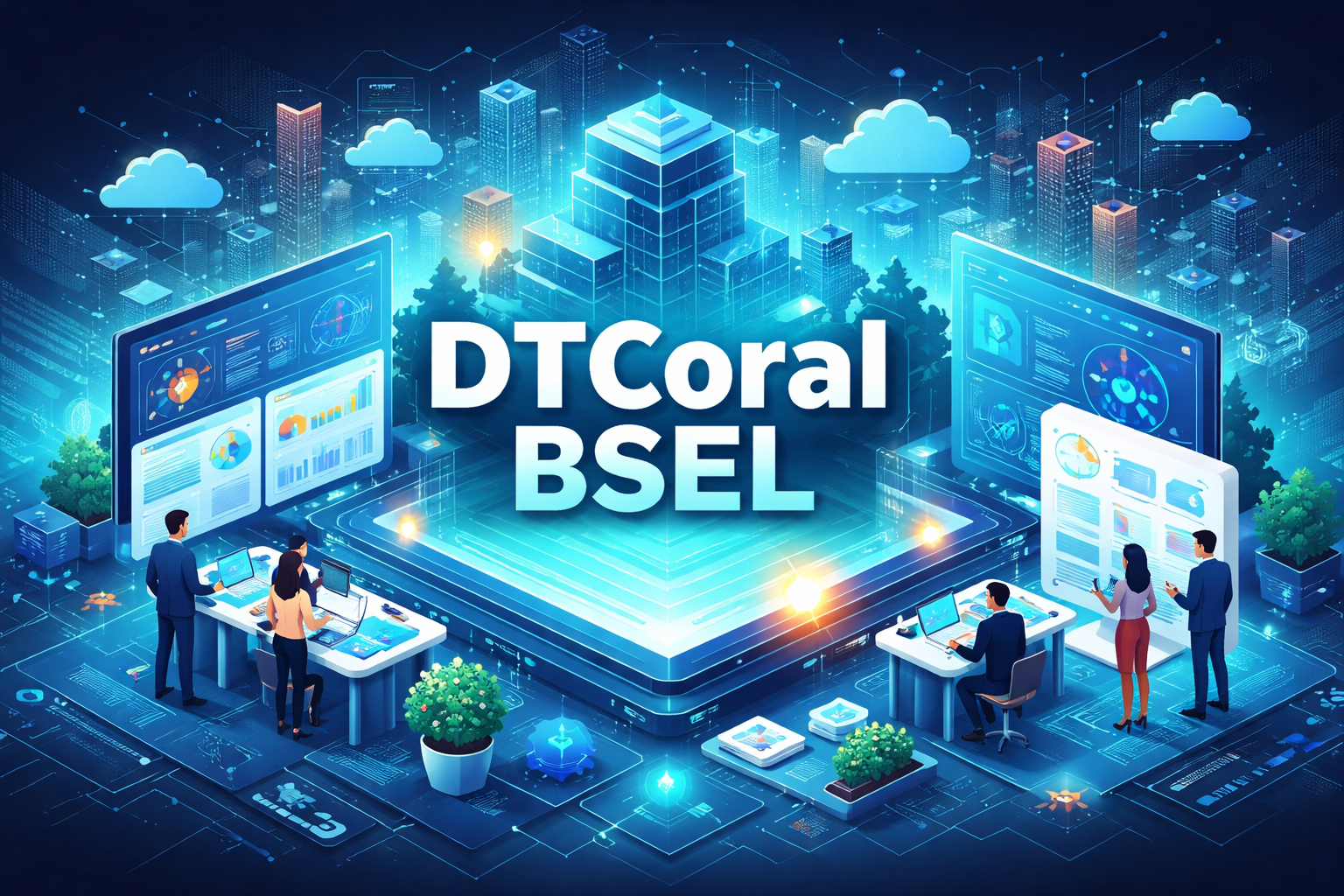
DTCoral BSEL
Introduction to DTCoral BSEL
The term dtcoral bsel has recently started appearing across digital discussions, niche platforms, and specialized online communities. While it may initially sound technical or obscure, it represents a concept that blends digital infrastructure, operational systems, and modern data-driven environments. Many users encounter the term without fully understanding what it refers to, which creates confusion and curiosity at the same time.
At its core, dtcoral bsel can be understood as a structured framework or platform environment associated with organized digital processes and system integration. Rather than being a single tool or application, it often represents an ecosystem where multiple components work together to achieve efficiency, monitoring, and performance optimization. This layered nature is one of the reasons why beginners struggle to grasp its purpose immediately.
What makes dtcoral bsel particularly interesting is how adaptable it appears across different use cases. Some interpret it as a backend management structure, while others associate it with analytical environments or digital workflow coordination. Regardless of interpretation, the consistent theme is organization — bringing scattered digital operations into a more unified and manageable structure.
Another important aspect is the growing attention it receives from professionals who focus on optimization and scalability. As businesses increasingly rely on data and automation, systems resembling dtcoral bsel become more relevant. They provide clarity in complex environments where manual control is no longer efficient.
Understanding dtcoral bsel requires stepping beyond surface definitions and exploring how it fits into broader technological evolution. This article will guide you through its meaning, structure, applications, benefits, challenges, and future potential in a way that feels practical rather than overly technical.
The Origin and Background of DTCoral BSEL
Every modern digital concept has a background shaped by technological needs, and dtcoral bsel is no exception. Its emergence appears tied to the increasing demand for centralized operational frameworks capable of handling growing digital complexity. As organizations expanded their online systems, they required solutions that could connect multiple functions seamlessly.
In earlier digital environments, companies relied on separate tools for analytics, communication, storage, and monitoring. These disconnected systems often created inefficiencies because data had to be transferred manually or synchronized through complicated integrations. The development of frameworks similar to dtcoral bsel was a response to these challenges.
The name itself suggests a structured or coded origin, likely derived from internal system labeling or specialized development terminology. Many modern platforms begin as internal solutions before evolving into broader frameworks recognized externally. Over time, users adopt the terminology even when its original meaning becomes less obvious.
Another contributing factor to its development was automation. As automation technologies matured, organizations needed systems capable of coordinating automated workflows without constant human supervision. Dtcoral bsel-type environments allowed processes to run smoothly while maintaining oversight and control.
The background also reflects the shift toward scalability. Modern digital systems must handle increasing volumes of users, data, and interactions. Traditional infrastructures struggled with scaling efficiently, which encouraged the adoption of modular frameworks designed to grow alongside organizational needs.
Today, dtcoral bsel stands as an example of how digital ecosystems evolve naturally from operational necessity rather than theoretical innovation alone.
Core Components of DTCoral BSEL
To understand dtcoral bsel properly, it helps to break it down into its essential components. While implementations may vary, most interpretations share several foundational elements that define how the system operates.
The first component is data organization. Dtcoral bsel environments typically rely on structured data handling, ensuring information flows logically between different parts of a system. Instead of scattered databases or isolated storage solutions, the framework prioritizes centralized accessibility while maintaining security boundaries.
The second key element is process coordination. One of the main strengths lies in managing workflows automatically. Tasks can move from one stage to another without manual intervention, reducing delays and minimizing human error. This coordination becomes particularly valuable in environments where repetitive processes dominate daily operations.
Another major component is monitoring and analytics. Effective systems must provide visibility into performance, and dtcoral bsel structures often include dashboards or monitoring tools that track activity in real time. This transparency allows administrators to detect inefficiencies quickly and make informed decisions.
Integration capability is equally important. Modern systems rarely operate in isolation, and dtcoral bsel frameworks are typically designed to connect with external platforms. Whether through APIs or built-in connectors, integration ensures compatibility with existing technologies rather than forcing complete system replacements.
Security also plays a central role. With increasing concerns about data protection, frameworks emphasize controlled access, authentication layers, and activity tracking. These safeguards ensure operational efficiency does not come at the expense of safety.
Together, these components form a balanced system where organization, automation, and visibility work in harmony.
How DTCoral BSEL Works in Practice
Understanding theory is helpful, but real value appears when we examine how dtcoral bsel functions in practical scenarios. In everyday use, it acts as a coordination hub connecting multiple digital operations into a single operational flow.
Imagine a workflow where data enters a system from multiple sources. Instead of being processed separately, dtcoral bsel organizes incoming information automatically. It categorizes, validates, and routes data according to predefined rules. This eliminates the need for manual sorting and significantly reduces operational delays.
Another practical application involves task automation. Once conditions are met, the system triggers actions automatically. For example, reports may generate themselves, alerts may notify administrators, or updates may deploy without human involvement. This automation saves time while ensuring consistency.
In collaborative environments, dtcoral bsel can function as a shared operational backbone. Different departments interact with the same system without interfering with one another’s workflows. Permissions and access controls allow each user to see only relevant information while maintaining overall cohesion.
Performance tracking is another practical benefit. Real-time monitoring enables teams to identify bottlenecks quickly. Instead of waiting for problems to escalate, administrators can respond immediately based on measurable insights.
Scalability also becomes evident in practice. As workloads grow, the system adapts by distributing processes more efficiently. Organizations avoid the need to rebuild infrastructure from scratch because the framework is designed to expand naturally.
Through these real-world functions, dtcoral bsel demonstrates how structured digital coordination improves efficiency across diverse operational contexts.
Key Features That Define DTCoral BSEL
One reason dtcoral bsel continues gaining attention is its distinctive feature set. These features collectively transform complex operations into manageable processes without overwhelming users.
A standout feature is automation intelligence. Rather than simple task repetition, the system often incorporates rule-based decision making. This means workflows adapt depending on conditions, allowing smarter operational behavior.
Another defining characteristic is modular architecture. Users can add or remove functional components without disrupting the entire system. This flexibility makes it suitable for both small environments and large enterprise operations.
User accessibility also plays a major role. Despite technical depth, many dtcoral bsel implementations emphasize intuitive interfaces. Dashboards simplify complex data, enabling users to interpret information without advanced technical expertise.
Customization is equally important. Organizations rarely operate identically, so the ability to tailor workflows, permissions, and reporting structures ensures the system aligns with specific needs rather than forcing rigid processes.
Reliability stands out as another defining feature. Systems designed around dtcoral bsel principles prioritize stability, ensuring continuous operation even during heavy workloads or unexpected conditions.
Finally, adaptability ensures long-term relevance. As technology evolves, frameworks capable of integrating new tools remain valuable. Dtcoral bsel’s flexible design supports ongoing innovation without requiring constant replacement.
Benefits of Using DTCoral BSEL
The growing interest in DTCoral BSEL: Complete Expert Guide, Insights, Features, and Practical Understanding largely stems from the practical advantages it offers. Organizations adopting similar frameworks often notice measurable improvements in efficiency, organization, and operational clarity.
One major benefit is time efficiency. Automation reduces repetitive manual tasks, allowing teams to focus on strategic work instead of routine processes. Over time, this shift significantly improves productivity.
Another advantage is improved data accuracy. Automated validation and structured workflows minimize human error. Consistent data handling leads to better reporting and more reliable decision-making outcomes.
Cost efficiency also becomes noticeable. While implementation may require initial investment, streamlined operations reduce long-term operational expenses. Fewer manual processes mean reduced labor requirements and fewer mistakes requiring correction.
Collaboration improves as well. When teams operate within a shared framework, communication becomes clearer. Everyone works with the same data environment, reducing misunderstandings caused by disconnected systems.
Scalability ensures future readiness. Organizations no longer fear growth because infrastructure can expand alongside demand. This adaptability protects long-term investments and supports sustainable development.
Overall, the benefits extend beyond technical performance — they reshape how teams interact with digital systems altogether.
YOU MAY ALSO READ
About the Author