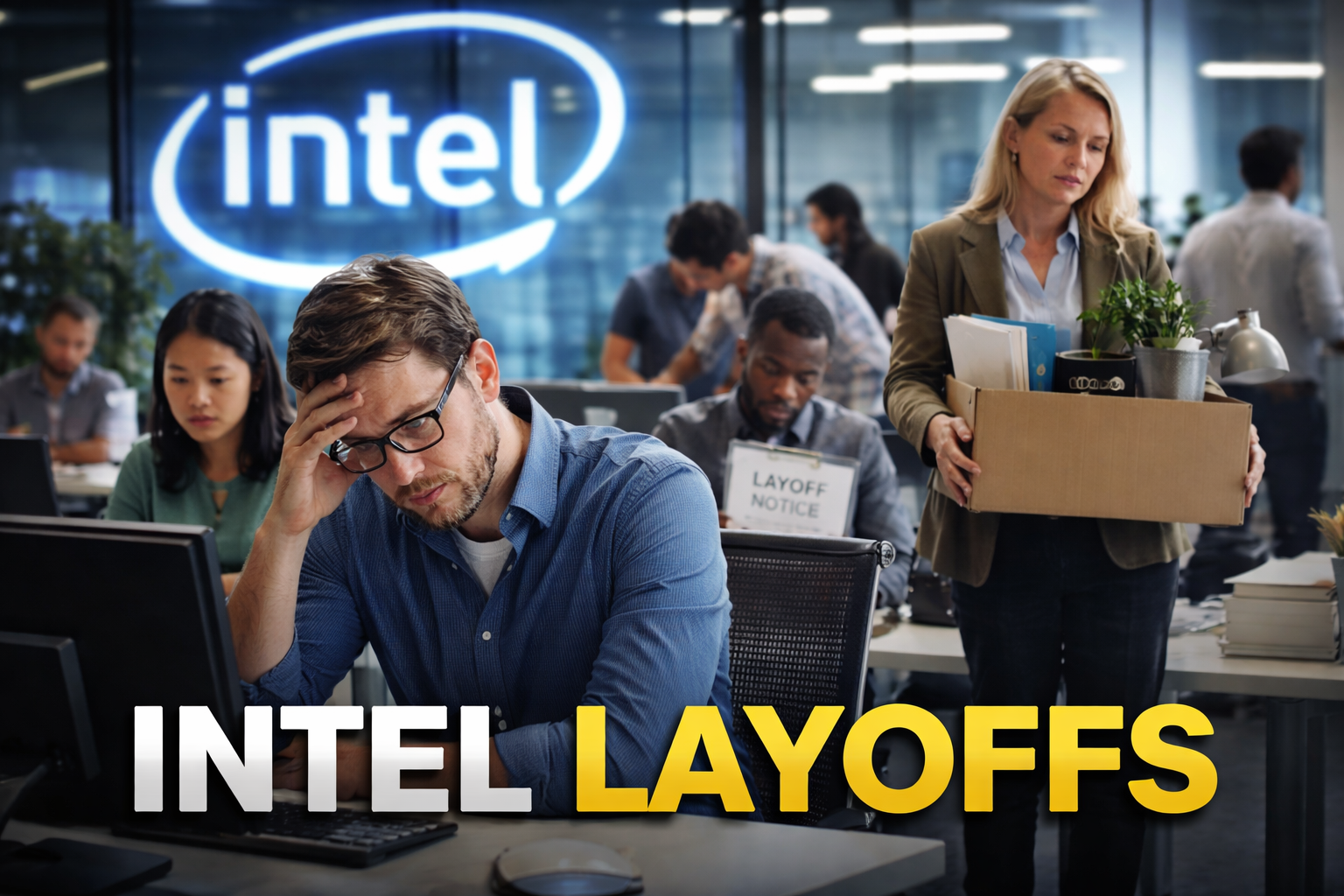
intel layoffs
When people search for “intel layoffs,” they’re usually trying to understand something bigger than just job cuts. They want to know what’s happening inside one of the world’s most influential tech companies—and what it means for the future of technology, jobs, and innovation. The truth is, layoffs at a giant like Intel are rarely simple. They’re tied to global market trends, strategic pivots, competition, and sometimes tough internal decisions.
In this in-depth article, we’ll break everything down in a clear, expert yet conversational way. We’ll explore why these layoffs happen, how they affect employees and the tech industry, and what the future might look like for Intel and its workforce.
Understanding Intel Layoffs: What’s Really Going On?
Intel layoffs don’t just happen overnight. They’re usually the result of long-term shifts in the company’s strategy and the broader semiconductor market. Over the years, Intel has gone through multiple restructuring phases, each driven by different pressures—some internal, some external.
First, let’s talk about scale. Intel is one of the largest semiconductor companies in the world. When a company of this size announces layoffs, even a small percentage can translate into thousands of employees. That’s why these announcements often grab global attention.
Second, layoffs at Intel are often tied to restructuring efforts. These efforts aim to streamline operations, cut costs, and focus on areas with higher growth potential. For example, moving resources toward artificial intelligence, data centers, or advanced chip manufacturing can sometimes mean reducing staff in less critical divisions.
Finally, it’s important to understand that layoffs are not always a sign of failure. Sometimes, they reflect a company trying to adapt quickly in a fast-changing industry. In Intel’s case, the semiconductor world has become more competitive than ever, forcing the company to rethink its priorities.
A Brief History of Intel Layoffs
To truly understand current Intel layoffs, you need to look at the past. Intel has experienced several waves of job cuts over the decades, often during times of industry transition.
Back in the early 2000s, layoffs were tied to shifts in computing demand and the rise of mobile technology. Intel, which had dominated the PC market, found itself needing to adapt to smartphones and tablets—a space it struggled to capture early on.
Fast forward to the mid-2010s, Intel announced significant layoffs as it pivoted away from traditional PCs toward data-centric businesses. This included cloud computing, AI, and autonomous driving technologies. Thousands of jobs were affected during this transition.
More recently, layoffs have been linked to economic pressures, declining PC demand, and increased competition from companies like AMD and NVIDIA. These competitors have gained ground in areas where Intel once held a dominant position, forcing the company to make difficult decisions.
Why Intel Layoffs Happen: Key Reasons Explained
Market Fluctuations and Demand Changes
The semiconductor industry is highly cyclical. When demand for PCs or servers drops, companies like Intel feel the impact almost immediately. During downturns, revenue declines, and cost-cutting measures—including layoffs—often follow.
For example, the global slowdown in PC sales after the pandemic boom created a significant challenge. Intel had to adjust its workforce to match reduced demand, which led to layoffs.
Increased Competition
Competition in the chip industry has intensified dramatically. Companies like AMD and NVIDIA have pushed innovation forward, especially in gaming, AI, and high-performance computing.
Intel layoffs are partly a response to this competition. To stay competitive, the company needs to invest heavily in research and development. Sometimes, that means reallocating resources and reducing staff in areas that are no longer strategic priorities.
Strategic Shifts
Intel is no longer just a PC chip company. It’s investing in areas like AI, autonomous vehicles, and advanced manufacturing. These shifts require different skill sets, which can lead to workforce restructuring.
In simple terms, Intel may be hiring in one area while laying off in another. It’s not just about cutting jobs—it’s about reshaping the workforce.
Cost-Cutting Measures
Like any large corporation, Intel must manage its expenses carefully. When profits are under pressure, reducing labor costs becomes one of the quickest ways to improve financial performance.
Layoffs, while painful, are often part of broader cost-saving initiatives that include reducing operational expenses and optimizing supply chains.
The Human Impact of Intel Layoffs
Let’s be real—behind every layoff statistic is a human story. Employees who lose their jobs face uncertainty, financial stress, and emotional challenges.
For many Intel workers, the company isn’t just a job—it’s a long-term career. Some employees spend decades at Intel, building deep expertise and strong professional relationships. Losing that can be incredibly difficult.
Families are affected too. Layoffs can disrupt financial stability, especially in regions where Intel is a major employer. Communities that rely on Intel jobs may also feel the ripple effects.
On the flip side, some employees use layoffs as an opportunity to pivot. The tech industry still offers many opportunities, and experienced engineers often find new roles relatively quickly. Still, the transition isn’t always easy.
How Intel Layoffs Affect the Tech Industry
Intel layoffs don’t happen in isolation—they send signals across the entire tech ecosystem.
First, they can indicate broader industry trends. For example, layoffs during a downturn might suggest that demand for certain technologies is weakening. This can influence decisions at other companies.
Second, layoffs can lead to a redistribution of talent. Engineers and specialists who leave Intel often join startups or competitors, spreading knowledge and innovation across the industry.
Third, these layoffs can impact investor confidence. When Intel announces job cuts, it’s often interpreted as a sign of financial pressure or strategic change. This can affect stock prices and market perception.
Intel’s Strategy Moving Forward
Despite layoffs, Intel is not standing still. The company is actively investing in its future.
One major focus is advanced chip manufacturing. Intel aims to regain its leadership in semiconductor fabrication by developing cutting-edge processes and building new factories.
Another key area is artificial intelligence. Intel is positioning itself as a major player in AI hardware, competing with companies like NVIDIA.
Additionally, Intel is expanding into foundry services—manufacturing chips for other companies. This could open up new revenue streams and reduce reliance on its own product lines.
These strategic moves require significant investment, which partly explains why cost-cutting measures, including layoffs, are happening.
Comparing Intel Layoffs to Other Tech Giants
Intel isn’t alone in facing layoffs. Many tech companies have gone through similar phases.
For example, companies across Silicon Valley have announced layoffs during economic downturns. Even industry leaders have had to adjust their workforce in response to changing market conditions.
What makes Intel unique, though, is its position in the semiconductor industry. Unlike software companies, Intel deals with complex manufacturing processes that require massive capital investment.
This adds another layer of complexity to its decisions. Layoffs aren’t just about cutting costs—they’re about balancing innovation, production, and long-term strategy.
The Role of Leadership in Intel Layoffs
Leadership plays a huge role in how layoffs are handled. At Intel, decisions are made at the highest levels, often involving careful analysis of market trends and internal performance.
Executives must balance short-term financial pressures with long-term growth goals. It’s not an easy task, and decisions about layoffs are rarely taken lightly.
Communication is also key. How a company communicates layoffs can impact employee morale and public perception. Transparency and support for affected employees can make a big difference.
What Intel Layoffs Mean for Employees and Job Seekers
If you’re an Intel employee or someone looking to join the company, layoffs can feel unsettling.
For current employees, it’s a reminder to stay adaptable. Developing new skills and staying updated with industry trends can improve job security.
For job seekers, layoffs don’t necessarily mean Intel isn’t hiring. In fact, the company often continues to recruit in strategic areas like AI and advanced manufacturing.
The key takeaway? The job market in tech is dynamic. Opportunities still exist, but they may be shifting toward new areas.
Economic Factors Behind Intel Layoffs
The global economy plays a big role in Intel layoffs. Factors like inflation, supply chain disruptions, and changing consumer demand can all influence the company’s decisions.
For example, during periods of economic uncertainty, businesses may delay spending on new technology. This reduces demand for chips, impacting Intel’s revenue.
At the same time, rising costs—such as materials and labor—can squeeze profit margins. This creates pressure to cut expenses, including workforce reductions.
Intel Layoffs and Innovation: A Complicated Relationship
Here’s an interesting angle—how do layoffs affect innovation?
On one hand, reducing staff can slow down projects and limit creativity. Fewer people means fewer ideas and less capacity for experimentation.
On the other hand, focusing resources on key areas can actually boost innovation. By concentrating talent and investment, Intel can accelerate progress in high-priority fields like AI and advanced manufacturing.
So, the relationship between layoffs and innovation isn’t straightforward. It depends on how the company manages its resources.
Public and Media Reaction to Intel Layoffs
Whenever Intel announces layoffs, the news spreads بسرعة across media outlets. Analysts, journalists, and industry experts all weigh in with their opinions.
Some view layoffs as a necessary step for long-term success. Others see them as a sign of deeper challenges within the company.
Public perception can influence Intel’s reputation. That’s why the company often emphasizes its long-term strategy and commitment to innovation when announcing layoffs.
Lessons From Intel Layoffs
There’s a lot we can learn from Intel’s experience with layoffs.
- Adaptability is crucial: The tech industry changes rapidly, and companies must evolve to survive.
- Diversification matters: Relying too heavily on one market can be risky.
- Investment in innovation is key: Staying competitive requires continuous improvement.
For individuals, the lesson is clear—keep learning and stay flexible. The skills that are in demand today may change tomorrow.
The Future Outlook for Intel
So, what’s next for Intel?
The company is betting big on its transformation strategy. If successful, it could regain its leadership in the semiconductor industry.
However, challenges remain. Competition is fierce, and the pace of technological change is relentless.
Intel layoffs are part of this broader story. They reflect a company in transition—one that’s trying to position itself for the future while dealing with present-day realities.
Final Thoughts on Intel Layoffs
The keyword “intel layoffs” might sound simple, but it represents a complex and evolving situation. These layoffs are driven by a mix of economic pressures, strategic decisions, and industry trends.
While they can be difficult for those affected, they also highlight the dynamic nature of the tech industry. Companies must constantly adapt, and sometimes that involves tough choices.
In the end, Intel’s story is still being written. Whether these layoffs lead to a stronger, more competitive company will depend on how well it executes its strategy in the years ahead.
One thing’s for sure—the world will be watching closely.
YOU MAY HAVE MISSED
About the Author