Intel News
Introduction: Why Intel Still Matters in a Rapidly Changing Tech World
When people talk about the backbone of modern computing, the name Intel inevitably comes up. For decades, Intel has been synonymous with processors, innovation, and the relentless pursuit of performance. But in recent years, the narrative around Intel has shifted. It’s no longer just about dominance—it’s about reinvention, competition, and survival in an increasingly complex semiconductor landscape.
Intel news today isn’t just about new chips or quarterly earnings. It’s about a company trying to reclaim leadership while navigating intense competition from rivals like AMD, NVIDIA, and global foundries. The semiconductor industry itself has become geopolitical, with governments investing billions and supply chains becoming strategic assets. In this context, every piece of Intel news carries weight.
This article takes a deep, expert-level look at Intel’s latest developments, strategies, challenges, and future outlook. Whether you’re an investor, tech enthusiast, or just curious about where computing is headed, understanding Intel’s journey is essential.
Intel’s Recent Strategic Shift: From Chipmaker to Foundry Powerhous
One of the most significant developments in Intel news is its transformation strategy. Historically, Intel designed and manufactured its own chips. This vertical integration was once its greatest strength. However, as competitors began outsourcing production to more advanced foundries, Intel fell behind.
In response, Intel launched its ambitious IDM 2.0 strategy. This plan focuses on three pillars: internal manufacturing, external foundry use, and offering foundry services to other companies. Essentially, Intel is trying to become a competitor to companies like TSMC while still producing its own chips.
This shift is not just technical—it’s philosophical. Intel is acknowledging that the old model is no longer sufficient. By opening its manufacturing capabilities to others, Intel aims to create a new revenue stream while strengthening its ecosystem. This move also positions Intel as a critical player in global semiconductor supply chains.
The challenge, however, is execution. Building cutting-edge fabs is expensive and complex. Intel must prove it can deliver advanced nodes on time, something it has struggled with in the past. Still, the ambition alone signals a company that is far from complacent.
Leadership Under Pat Gelsinger: A Return to Engineering Roots
Another major theme in Intel news revolves around its CEO, Pat Gelsinger. Since returning to Intel, Gelsinger has brought a renewed focus on engineering excellence and long-term vision. Unlike some previous leadership approaches, his strategy emphasizes innovation over short-term gains.
Gelsinger’s leadership style is direct and transparent. He has openly acknowledged Intel’s past mistakes, including delays in process technology and missed opportunities in mobile and AI. This honesty has helped rebuild trust among investors and employees.
Under his guidance, Intel has committed to an aggressive roadmap, aiming to regain process leadership within a few years. This includes the introduction of new manufacturing nodes and technologies like RibbonFET and PowerVia. These innovations are critical if Intel wants to compete with the best in the industry.
Leadership changes often take time to show results, but early signs suggest that Intel is moving in the right direction. Morale within the company appears stronger, and there’s a clear sense of purpose driving its initiatives.
Competition Heats Up: AMD, NVIDIA, and the New Battlefield
Intel’s challenges cannot be understood without looking at its competitors. Over the past decade, companies like AMD and NVIDIA have significantly closed the gap—and in some areas, surpassed Intel.
AMD, for instance, has gained market share in both consumer and server CPUs. Its use of advanced manufacturing from TSMC has allowed it to deliver high-performance chips efficiently. Meanwhile, NVIDIA has dominated the AI and GPU space, becoming a key player in data centers and machine learning.
Intel is now fighting on multiple fronts. It’s not just about CPUs anymore. The battle includes GPUs, AI accelerators, and even software ecosystems. Intel’s entry into the discrete GPU market is a direct response to NVIDIA’s dominance, but it’s still in the early stages.
What makes this competition intense is the pace of innovation. Each company is pushing boundaries, releasing new architectures, and targeting emerging markets. Intel must keep up—or risk falling further behind.
Intel’s Push into AI: Catching Up in the Most Important Race
Artificial intelligence is arguably the most critical frontier in technology today. Intel news has increasingly focused on its efforts to become a major player in AI. While Intel has been involved in AI for years, it has struggled to match the impact of competitors.
The company is now investing heavily in AI hardware and software. This includes specialized chips designed for machine learning workloads, as well as tools to help developers optimize performance. Intel’s strategy is to provide a comprehensive platform rather than just individual components.
One of the challenges Intel faces is perception. NVIDIA has become almost synonymous with AI hardware, thanks to its GPUs and CUDA ecosystem. Intel must not only build competitive products but also convince developers and enterprises to adopt them.
Despite these challenges, Intel has advantages. Its deep relationships with enterprise customers and its broad portfolio give it a solid foundation. If it can execute effectively, Intel could become a significant player in AI once again.
Manufacturing Comeback: The Race for Process Leadership
Manufacturing has always been Intel’s core strength, but it’s also where it faced some of its biggest setbacks. Delays in transitioning to smaller process nodes allowed competitors to leap ahead. Now, Intel is determined to reclaim its leadership.
Recent Intel news highlights progress in its manufacturing roadmap. The company has outlined a series of node advancements, each promising better performance and efficiency. These developments are crucial for both Intel’s products and its foundry ambitions.
Intel is also investing heavily in new fabs, particularly in the United States and Europe. These investments are not just about capacity—they’re about strategic positioning. Governments are keen to reduce reliance on overseas manufacturing, and Intel is positioning itself as a key partner.
The road ahead is challenging. Achieving process leadership requires precision, consistency, and massive investment. But if Intel succeeds, it could fundamentally reshape the semiconductor landscape.
Financial Performance: Balancing Investment and Profitability
Intel’s financial story is complex. On one hand, the company remains profitable and generates significant revenue. On the other hand, its heavy investments in manufacturing and R&D are impacting short-term earnings.
Recent earnings reports show a mixed picture. Some segments, like data centers and AI, are growing, while others face pressure from competition. The PC market, once Intel’s stronghold, has also seen fluctuations.
Investors are closely watching Intel’s spending. Building fabs and developing new technologies require billions of dollars. The question is whether these investments will pay off in the long run.
From an expert perspective, Intel’s approach makes sense. The semiconductor industry is capital-intensive, and leadership requires bold moves. However, patience will be key. Results may take years to fully materialize.
Intel in the Global Context: Geopolitics and Supply Chains
Semiconductors have become a geopolitical issue, and Intel is right in the middle of it. Governments around the world are investing in domestic chip production to ensure security and resilience.
Intel has positioned itself as a strategic partner in this effort. Its plans to build fabs in the U.S. and Europe align with government priorities. This not only provides financial incentives but also strengthens Intel’s role in global supply chains.
The geopolitical landscape adds complexity to Intel’s operations. Trade restrictions, export controls, and regional tensions all play a role. Navigating these factors requires careful strategy and strong relationships.
For Intel, this is both a challenge and an opportunity. By aligning with national interests, the company can secure support and expand its influence. However, it must also manage risks associated with global politics.
Product Innovation: Beyond CPUs
Intel is no longer just a CPU company. Recent Intel news highlights its efforts to diversify its product portfolio. This includes GPUs, networking solutions, and specialized accelerators.
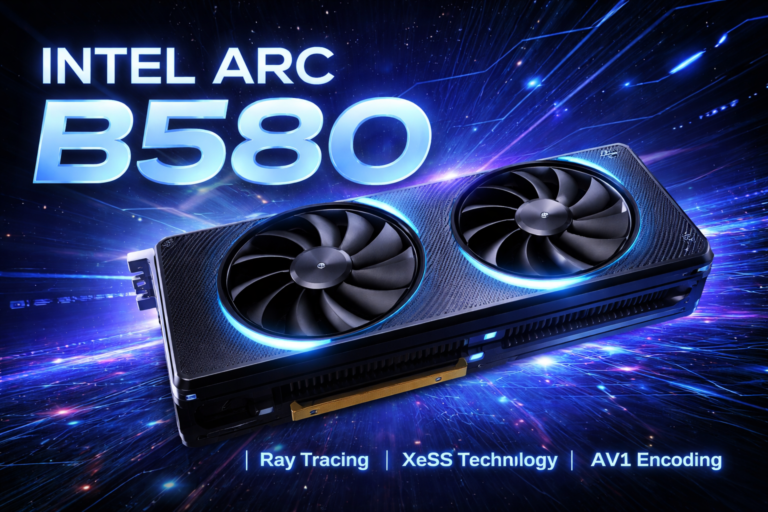
The launch of Intel’s Arc GPUs marked its entry into the discrete graphics market. While initial reception was mixed, it represents a long-term commitment to competing in this space. Over time, Intel aims to improve performance and gain market share.
In addition to GPUs, Intel is investing in areas like edge computing and IoT. These markets offer significant growth potential and align with broader industry trends. By expanding its offerings, Intel is positioning itself for the future.
Innovation is not just about hardware. Intel is also focusing on software, ensuring that its products are supported by robust tools and ecosystems. This holistic approach is essential in today’s competitive landscape.
Challenges Ahead: What Could Go Wrong?
Despite its ambitious plans, Intel faces several risks. Execution is the biggest concern. Delays in manufacturing or product launches could undermine its strategy. The semiconductor industry is unforgiving, and even small setbacks can have significant consequences.
Competition remains fierce. Companies like AMD and NVIDIA are not standing still. They continue to innovate and capture market share. Intel must not only catch up but also differentiate itself.
Another challenge is talent. Attracting and retaining top engineers is critical. The tech industry is highly competitive, and Intel must ensure it remains an attractive place to work.
Finally, economic factors could impact demand. A slowdown in global markets could affect sales and investment capacity. Intel must navigate these uncertainties while staying focused on its long-term goals.
The Future of Intel: Can It Reclaim Its Crown?
Looking ahead, the big question in Intel news is whether the company can reclaim its position as an industry leader. The answer is not straightforward, but there are reasons for cautious optimism.
Intel’s strategy is bold and comprehensive. It addresses key challenges and leverages the company’s strengths. If executed well, it could lead to a significant turnaround.
However, success is not guaranteed. The semiconductor industry is more competitive than ever, and the margin for error is small. Intel must deliver on its promises and adapt to changing conditions.
From an expert perspective, Intel’s future will depend on consistency. It’s not enough to have a great plan—execution over time will determine the outcome. If Intel can stay on track, it has a real chance of redefining its legacy.
Conclusion: Intel’s Story Is Far from Over
Intel news today is about transformation, resilience, and ambition. The company is navigating one of the most challenging periods in its history, but it’s doing so with a clear vision and renewed determination.
From manufacturing to AI, from leadership to global strategy, Intel is making moves that could shape the future of technology. The journey will not be easy, and there will be obstacles along the way. But one thing is certain: Intel is not standing still.
For anyone interested in technology, business, or innovation, Intel’s story is worth watching closely. The next few years will be critical, not just for the company, but for the entire semiconductor industry.
YOU MAY HAVE MISSED
Intel News
About the Author