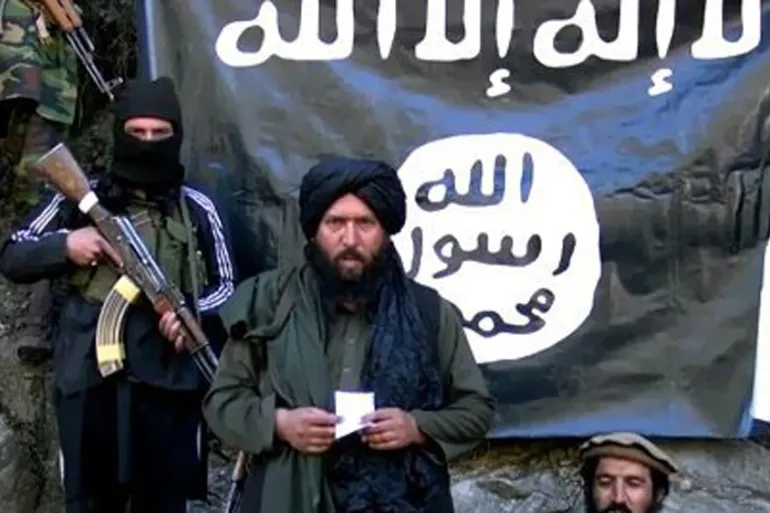
Islamic State
Introduction to the Islamic State
The term “Islamic State” most commonly refers to the militant extremist group widely known as Islamic State, also called ISIS or ISIL. Over the past decade, this group has become one of the most discussed and controversial organizations in modern global history. Understanding it requires more than headlines—it demands context, nuance, and a careful look at how it emerged, operated, and continues to influence global security.
At its core, the Islamic State is a jihadist militant organization that sought to establish a so-called “caliphate,” claiming religious authority over Muslims worldwide. However, its interpretation of religion has been rejected by the overwhelming majority of Muslims and scholars. Its actions—ranging from territorial conquest to extreme violence—have placed it firmly in the category of terrorist organizations recognized globally.
This article explores the Islamic State in depth: its origins, ideology, leadership, rise to power, global impact, and eventual territorial defeat. While the topic is complex and sensitive, the goal here is to present clear, factual, and expert-level insight in an accessible, conversational tone.
Origins and Early Formation
The roots of the Islamic State can be traced back to the aftermath of the Iraq War. The instability that followed the invasion created fertile ground for insurgent groups. Among these was a militant network led by Abu Musab al-Zarqawi, which later became known as Al-Qaeda in Iraq (AQI).
Zarqawi’s group was initially aligned with Al-Qaeda, but it quickly distinguished itself through its brutal tactics and sectarian violence. It targeted not only foreign forces but also Iraqi civilians, particularly from the Shia community. This approach intensified divisions within Iraq and contributed to widespread chaos.
After Zarqawi’s death in 2006, the group evolved into the “Islamic State of Iraq” (ISI). While it weakened temporarily due to U.S. military pressure and local resistance, it never fully disappeared. Instead, it quietly rebuilt its networks, waiting for another opportunity to rise.
Expansion into Syria
The outbreak of the Syrian Civil War provided exactly that opportunity. As Syria descended into conflict, ISI expanded across the border, rebranding itself as the Islamic State of Iraq and Syria (ISIS).
The chaos in Syria allowed ISIS to recruit fighters, seize weapons, and capture territory. Unlike many other militant groups, ISIS focused on controlling land and establishing governance structures. It wasn’t just fighting—it was building a state-like entity.
This expansion brought ISIS into conflict with other opposition groups, including factions linked to Al-Qaeda. Eventually, ISIS split from Al-Qaeda entirely, becoming an independent and even rival organization. This marked a turning point, as ISIS began to pursue its ambitions more aggressively and openly.
Declaration of the Caliphate
In 2014, ISIS made a dramatic move: it declared the establishment of a “caliphate.” Its leader, Abu Bakr al-Baghdadi, proclaimed himself caliph, claiming authority over Muslims worldwide.
This declaration was a major propaganda victory for ISIS. It attracted thousands of foreign fighters from across the globe, many of whom were drawn by the idea of participating in a supposedly historic Islamic revival. Social media played a huge role in spreading this message.
However, the declaration was widely rejected by Islamic scholars and governments. The concept of a caliphate carries deep historical and religious significance, and ISIS’s claim was seen as illegitimate and harmful.
Governance and Control
At its peak, the Islamic State controlled large parts of Iraq and Syria, including major cities like Mosul and Raqqa. Unlike many militant groups, ISIS attempted to govern these areas as a functioning state.
It established administrative systems, collected taxes, and enforced strict laws based on its interpretation of Islamic principles. However, life under ISIS rule was marked by severe repression, lack of freedom, and widespread human rights abuses.
Public punishments, restrictions on women, and suppression of dissent were common. While ISIS portrayed itself as a provider of order and justice, the reality for most civilians was harsh and often brutal.
Ideology and Beliefs
The ideology of the Islamic State is rooted in a radical and extreme interpretation of Sunni Islam. It promotes a strict, literalist view of religious texts and rejects alternative interpretations.
One key aspect of its ideology is takfir—the practice of declaring other Muslims as unbelievers. This allowed ISIS to justify violence against a wide range of groups, including fellow Muslims who disagreed with its views.
It’s important to note that mainstream Islamic teachings strongly reject such interpretations. The vast majority of Muslims worldwide condemn ISIS’s ideology and actions.
Use of Propaganda
ISIS became infamous for its sophisticated use of propaganda. Through videos, magazines, and social media platforms, it spread its message globally.
These materials were designed to recruit new members, intimidate enemies, and project power. High-quality production and strategic messaging made ISIS particularly effective in the digital space.
However, much of this propaganda was misleading, presenting a distorted version of life under ISIS rule. While it showed images of unity and purpose, it hid the suffering and violence experienced by those living under its control.
Military Strategy and Tactics
The Islamic State combined guerrilla warfare with conventional military tactics. It used surprise attacks, suicide bombings, and coordinated assaults to capture and defend territory.
Its fighters were often highly motivated and willing to carry out extreme acts. The group also benefited from captured weapons and resources, including oil fields, which helped fund its operations.
Despite its initial successes, ISIS eventually faced strong opposition from local forces and international coalitions. Over time, its military capabilities were significantly weakened.
Global Impact and Terrorism
Beyond its territory, ISIS inspired and directed attacks around the world. These included incidents in Europe, the Middle East, and beyond.
The group encouraged “lone wolf” attacks, where individuals carried out violence independently but in the name of ISIS. This made it difficult for authorities to predict and prevent attacks.
The global impact of ISIS extended beyond physical violence. It influenced political debates, security policies, and public perceptions of terrorism.
International Response
The rise of ISIS prompted a coordinated international response. A coalition led by the United States, along with regional partners, launched military operations to combat the group.
Airstrikes, intelligence sharing, and support for local forces played key roles in weakening ISIS. Countries like Iraq and Syria also mobilized their own efforts to reclaim territory.
This global effort eventually led to the سقوط (fall) of ISIS’s territorial control. However, the fight against its ideology and remnants continues.
سقوط of the Caliphate
By 2019, ISIS had lost nearly all of its territory. Its final stronghold in Baghouz, Syria, fell to coalition-backed forces, marking the end of its so-called caliphate.
This was a major milestone, but it did not mean the complete end of ISIS. The group shifted back to insurgency tactics, operating in smaller, decentralized cells.
The loss of territory reduced its influence, but it remains a security concern in various regions.
Leadership Changes and Current Status
After the death of Abu Bakr al-Baghdadi in 2019, ISIS appointed new leaders. However, leadership changes have often been followed by internal challenges and reduced cohesion.
Today, ISIS operates in a more fragmented form. It has affiliates in different parts of the world, including Africa and Asia.
While it no longer controls large territories, it continues to carry out attacks and maintain a presence in certain المناطق (regions).
Impact on Society and Communities
The actions of ISIS have had lasting effects on communities, particularly in Iraq and Syria. Cities were destroyed, families displaced, and countless lives lost.
Rebuilding these areas is a long and difficult process. It involves not only physical reconstruction but also healing social divisions and addressing trauma.
The legacy of ISIS also affects global communities, influencing how people perceive security, religion, and international relations.
Misconceptions and Clarifications
One of the biggest misconceptions is that ISIS represents Islam. This is not accurate. The overwhelming majority of Muslims reject ISIS and its ideology.
It’s important to separate extremist groups from the broader religious and cultural communities they claim to represent. Doing so helps prevent misunderstanding and discrimination.
Education and awareness are key to addressing these misconceptions and promoting a more accurate understanding.
Lessons Learned
The rise and fall of the Islamic State offer important lessons. These include the dangers of political instability, the impact of extremist ideologies, and the importance of international cooperation.
Preventing similar groups from emerging requires addressing underlying issues such as conflict, inequality, and lack of opportunity.
It also involves countering extremist narratives and promoting inclusive, peaceful alternatives.
Conclusion
The story of the Islamic State is a complex and sobering chapter in modern history. From its origins in post-war العراق to its rise as a global threat and eventual territorial defeat, it has left a profound impact on the world.
Understanding the Islamic State is not just about studying a militant group—it’s about examining the الظروف (conditions) that allow such groups to emerge and thrive. By learning from this history, societies can work toward preventing future extremism and building a more stable and peaceful world.
While ISIS no longer holds the power it once did, its legacy continues to shape global discussions on security, ideology, and الإنسانية (humanity).
YOU MAY HAVE MISSED
About the Author