Slovenia
Introduction to Slovenia
Slovenia is one of those rare countries that quietly impresses you the more you learn about it. Tucked between Central Europe, the Alps, and the Adriatic Sea, this small but diverse nation manages to pack an incredible range of landscapes, cultures, and experiences into a compact space. While many travelers rush toward more famous European destinations, Slovenia offers a refreshing alternative—less crowded, more authentic, and surprisingly rich in history and natural beauty.
What makes Slovenia especially fascinating is how seamlessly it blends different influences. You can feel the touch of neighboring Italy in its cuisine, Austria in its architecture, and the Balkans in its culture and warmth. Yet, despite all these influences, Slovenia maintains a strong and distinct national identity. It’s a country that feels both familiar and unique at the same time.
From an expert perspective, Slovenia is not just a travel destination—it’s a case study in sustainability, smart development, and cultural preservation. Over the years, it has positioned itself as one of Europe’s greenest countries, making it highly appealing to modern travelers who value eco-conscious tourism. Whether you are exploring its capital, hiking its mountains, or relaxing by its lakes, Slovenia offers a balanced and enriching experience.
Geography and Natural Diversity of Slovenia
One of the most impressive aspects of Slovenia is its geographical diversity. Despite its relatively small size, the country features mountains, forests, rivers, lakes, and even a coastline along the Adriatic Sea. This variety makes Slovenia a paradise for nature lovers and outdoor enthusiasts.
The Julian Alps dominate the northwest region, providing breathtaking views and excellent opportunities for hiking, skiing, and mountaineering. The famous Triglav National Park is located here, named after Mount Triglav, the country’s highest peak and a national symbol. This park is not just a scenic wonder—it’s a protected area that reflects Slovenia’s commitment to preserving its natural heritage.
Moving toward the southwest, you encounter the Karst region, known for its limestone formations, caves, and underground rivers. Slovenia is home to some of the most spectacular cave systems in the world, including Postojna Cave and Škocjan Caves. These caves are not only geological marvels but also important scientific sites.
In contrast, the eastern part of Slovenia offers rolling hills, vineyards, and fertile plains. This region is less visited but equally charming, especially for those interested in wine tourism and rural experiences. The combination of all these landscapes makes Slovenia one of the most geographically diverse countries in Europe.
The History and Cultural Evolution of Slovenia
Slovenia’s history is deeply layered, shaped by various empires and cultural influences. For centuries, the region was part of the Roman Empire, followed by the Holy Roman Empire, and later the Austro-Hungarian Empire. Each of these periods left a lasting imprint on Slovenia’s architecture, traditions, and societal structure.
In the 20th century, Slovenia became part of Yugoslavia after World War I. It remained within this federation until it declared independence in 1991, marking a significant turning point in its history. The independence process was relatively brief compared to other regions, which helped Slovenia transition more smoothly into a modern European state.
Today, Slovenia is a member of the European Union and NATO, and it has successfully integrated into the global economy while maintaining its cultural identity. The country’s history is not just something you read about—it’s visible in its castles, churches, and towns. Cities like Ljubljana beautifully showcase this blend of old and new.
Culturally, Slovenia is rich in traditions, festivals, and folklore. From music and dance to local crafts, the country celebrates its heritage with pride. This cultural depth adds another layer to the overall experience of visiting Slovenia.
Exploring Ljubljana: The Heart of Slovenia
Ljubljana is more than just a capital city—it’s the cultural and economic heartbeat of the country. What makes Ljubljana stand out is its relaxed atmosphere combined with a vibrant urban lifestyle. Unlike many European capitals, it doesn’t feel overwhelming or overcrowded.
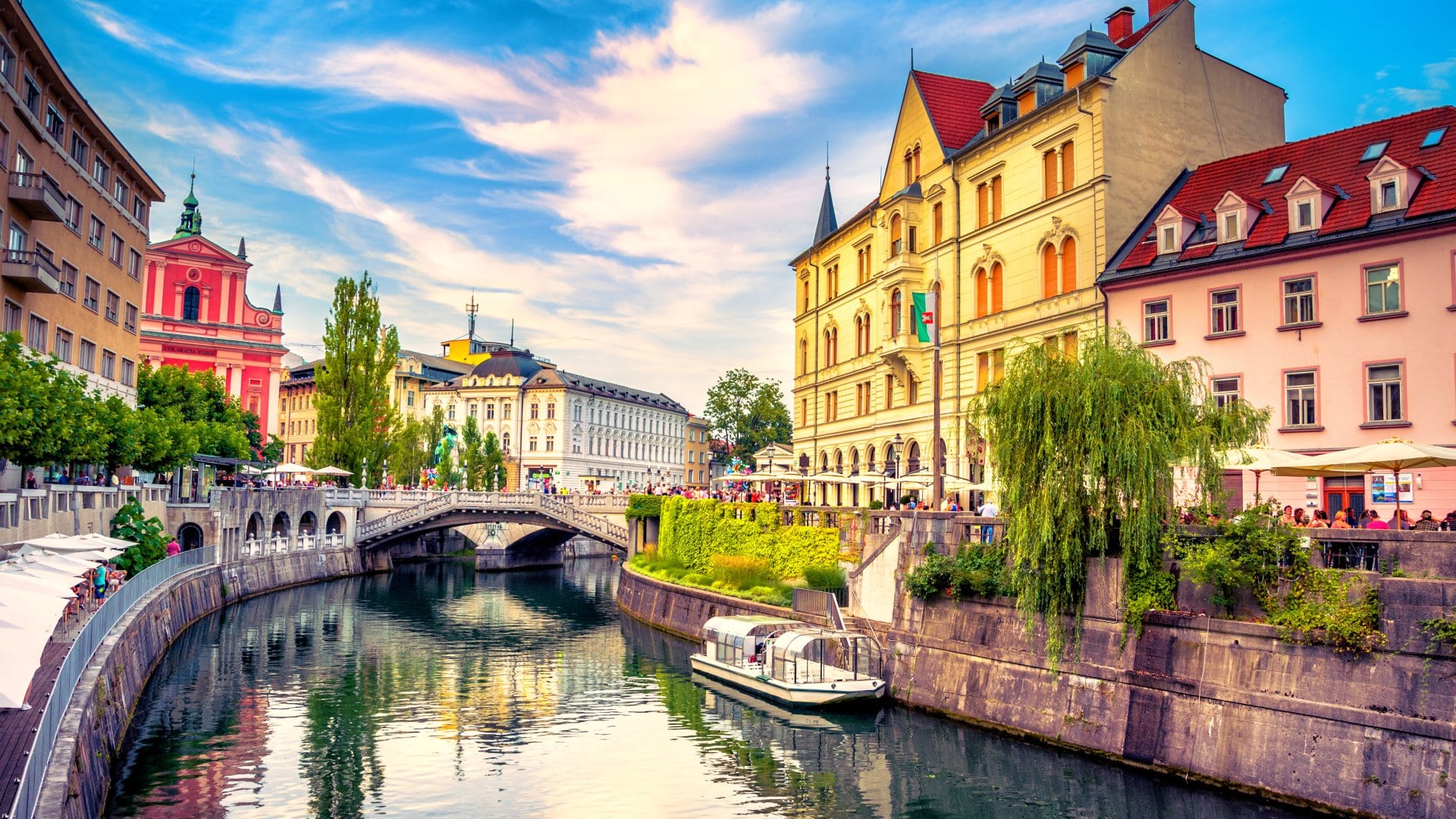
The city is known for its stunning architecture, much of which was designed by the famous architect Jože Plečnik. His work has given Ljubljana a unique identity, blending classical elements with modern design. Landmarks like the Triple Bridge and Ljubljana Castle are must-see attractions.
Another defining feature of Ljubljana is its commitment to sustainability. The city center is largely car-free, making it ideal for walking and cycling. The Ljubljanica River runs through the city, lined with cafes, restaurants, and markets that create a lively and welcoming atmosphere.
From an expert perspective, Ljubljana is a model for how cities can balance development with environmental responsibility. It consistently ranks among Europe’s greenest capitals, making it a perfect example of modern urban planning done right.
Top Tourist Attractions in Slovenia
Slovenia is filled with attractions that cater to all types of travelers. One of the most iconic destinations is Lake Bled. With its picturesque island, medieval castle, and surrounding mountains, Lake Bled looks like something straight out of a fairy tale. Visitors can take a traditional boat ride to the island or hike up to viewpoints for stunning panoramic views.
Another must-visit location is Lake Bohinj, which is less crowded but equally beautiful. Located within Triglav National Park, it offers a more serene and natural experience compared to Lake Bled.
For coastal charm, the town of Piran is a highlight. With its Venetian-style architecture, narrow streets, and seaside views, Piran provides a completely different vibe from the mountainous regions.
Additionally, Slovenia’s caves, castles, and wine regions offer endless exploration opportunities. Each destination has its own character, ensuring that no two experiences feel the same.
Slovenian Cuisine: A Blend of Flavors
Slovenian cuisine is a delightful mix of influences from neighboring countries, yet it retains its own unique identity. The food here is hearty, flavorful, and often made from locally sourced ingredients. This farm-to-table approach is deeply rooted in Slovenian culture.
Traditional dishes like potica (a rolled pastry), jota (a stew made with beans and sauerkraut), and various meat-based meals reflect the country’s culinary heritage. At the same time, modern chefs in Slovenia are redefining these classics with innovative techniques.
Wine plays a significant role in Slovenian culture. The country has several wine regions, producing high-quality wines that are gaining international recognition. Wine tourism is becoming increasingly popular, especially in the eastern regions.
From an expert standpoint, Slovenian cuisine is underrated. It offers a rich culinary experience that rivals more famous European food destinations, without the same level of commercialization.
Outdoor Activities and Adventure Tourism
Slovenia is a dream destination for outdoor enthusiasts. Whether you enjoy hiking, skiing, rafting, or cycling, the country offers endless opportunities for adventure. The Julian Alps are perfect for hiking in the summer and skiing in the winter.
Water activities are also popular, especially on the Soča River, known for its emerald-green color. Rafting, kayaking, and fishing are common here, attracting adventure seekers from around the world.
Cycling is another major activity, with well-maintained trails that pass through scenic landscapes. From easy routes in the countryside to challenging mountain paths, Slovenia caters to all skill levels.
What sets Slovenia apart is how accessible these activities are. You don’t need to travel far to experience different types of adventures, making it an ideal destination for active travelers.
Slovenia’s Commitment to Sustainability
One of Slovenia’s most impressive achievements is its commitment to sustainability. The country has made significant efforts to promote eco-friendly tourism and protect its natural resources.
Ljubljana, for example, has been recognized as a green capital, thanks to its car-free zones, waste management systems, and emphasis on public transportation. Many accommodations across the country follow eco-friendly practices, and there is a strong focus on preserving biodiversity.
Slovenia has also introduced initiatives to encourage responsible tourism. Visitors are encouraged to respect nature, support local businesses, and minimize their environmental impact.
From an expert perspective, Slovenia is leading by example. It shows that tourism and sustainability can coexist, creating a model that other countries can learn from.
Economy and Modern Development
Slovenia has a stable and well-developed economy, especially considering its size. It transitioned successfully from a socialist system to a market economy after gaining independence in 1991.
Key industries include manufacturing, services, and tourism. The country is known for its high-quality products, particularly in pharmaceuticals, automotive components, and technology.
Tourism has become a major contributor to the economy, thanks to Slovenia’s growing popularity as a travel destination. The government has invested in infrastructure and marketing to attract more visitors while maintaining sustainability.
Slovenia’s economic success is often attributed to its strategic location, skilled workforce, and strong governance. It serves as a model for other small nations looking to achieve sustainable growth.
Why Slovenia Should Be on Your Travel List
Slovenia may not be the first country that comes to mind when planning a European trip, but that’s exactly what makes it special. It offers everything you could want—natural beauty, rich history, delicious food, and modern cities—without the overwhelming crowds.
The country’s compact size means you can experience a wide range of attractions in a short amount of time. One day you could be exploring mountains, and the next you could be relaxing by the sea.
Moreover, Slovenia’s emphasis on sustainability and authenticity makes it a responsible travel choice. You’re not just visiting a destination—you’re supporting a country that values its environment and culture.
In the end, Slovenia is more than just a hidden gem. It’s a destination that rewards curiosity, offering experiences that are both enriching and unforgettable.
YOU MAY HAVE MISSED
About the Author